
AI Automation
AI Automation and RAG Chatbots Built for Production
We design and ship AI automation and RAG chatbots that answer from your own documents, data, and tools instead of guessing. Our team has built systems handling 50K+ daily executions, so we know the difference between a demo and software that holds up under real traffic. You get working pipelines, grounded answers, and measurable reductions in manual work.
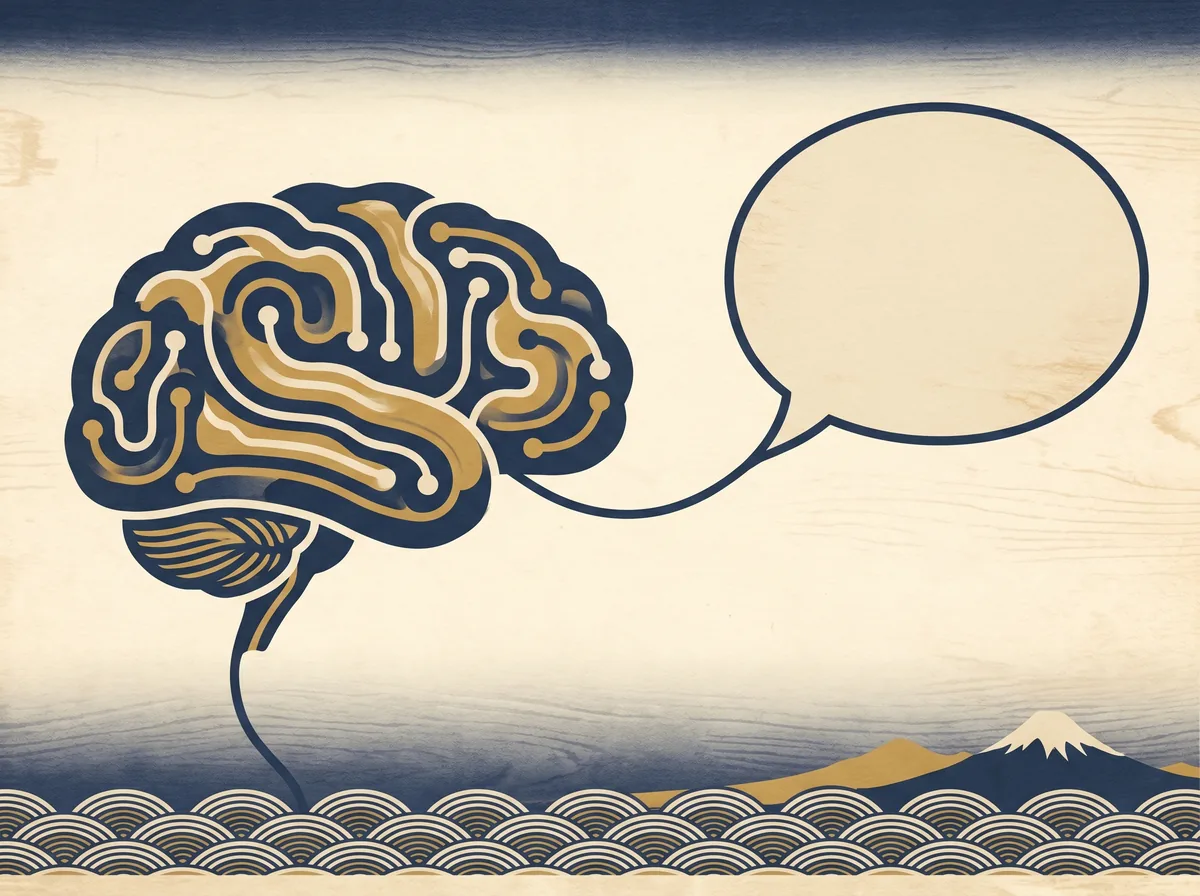
What AI Automation and RAG Chatbots Actually Are
AI automation connects your tools, data, and decisions so repetitive work runs without a person in the loop: ticket routing, data entry, document parsing, follow-ups, and report generation. A RAG chatbot (retrieval-augmented generation) is a chat interface that retrieves relevant passages from your own knowledge base before the model answers, so responses are grounded in your facts and cite their sources. Together they replace brittle scripts and generic chatbots that hallucinate. The result is software that knows your business and acts on it.
What We Deliver in an AI Automation and RAG Project
We deliver a working RAG pipeline: ingestion, chunking, embeddings, a vector store, retrieval tuning, and an answer layer with citations and guardrails. For automation, we build the workflows, AI agents, and integrations that move data between your systems (CRM, support desk, databases, internal APIs). Everything ships with evaluation sets, logging, and a way to measure answer quality and cost per request. You own the code and the infrastructure, with documentation a future engineer can read.
How RAG Grounding Keeps Answers Accurate
The hard part of a RAG chatbot is not the model, it is retrieval quality. We tune chunk sizes, hybrid search (keyword plus semantic), reranking, and metadata filters so the right context reaches the model on the first try. We add guardrails that refuse to answer when confidence is low instead of inventing a response, and we track citation accuracy as a first-class metric. This is the same rigor our team applied to citation-accuracy backfills across staging and production data.
How AI Agents and Workflow Automation Fit Together
Not every task needs a chatbot. We map your processes first, then decide where a deterministic workflow is enough and where an AI agent should reason over steps and call tools. Agents handle multi-step tasks: read an email, look up the account, draft a reply, update the record, and escalate edge cases to a human. We gate every write behind review and dry-run modes early, so automation earns trust before it runs unattended.
How it works
- 01
Scope
We map your data sources, target workflows, and success metrics, then agree on what the first production slice looks like and how we will measure it.
- 02
Build
We ship the RAG pipeline and automation incrementally, testing retrieval quality and integrations on real samples before anything touches live systems.
- 03
Evaluate
We run evaluation sets for answer accuracy, latency, and cost per request, then tune retrieval and prompts against the numbers, not vibes.
- 04
Launch
We deploy with logging, guardrails, and dry-run gates, hand over documented code and infrastructure, and support the rollout.
What you get
- A RAG chatbot that answers from your documents with source citations, not generic guesses
- Measurable reduction in manual hours on routed tickets, data entry, and document handling
- Grounded answers with guardrails that refuse low-confidence questions instead of hallucinating
- Workflow automation and AI agents integrated with your CRM, support desk, and internal APIs
- Evaluation sets and logging so you can track accuracy, latency, and cost per request over time
- Documented, owned code and infrastructure you can extend without lock-in
Questions
What is the difference between a RAG chatbot and a regular AI chatbot?
A regular chatbot answers from the model's general training, which is why it invents facts about your business. A RAG chatbot retrieves relevant passages from your own knowledge base first, then answers grounded in that context with citations. This makes responses accurate, traceable, and current with your documents. It is the difference between a confident guess and a sourced answer.
How do you keep the chatbot from hallucinating?
We tune retrieval so the right context reaches the model, add reranking and metadata filters, and require citations in answers. We also build guardrails that refuse to answer when retrieval confidence is low rather than fabricating a response. Then we track citation accuracy as a measured metric and tune against it, not against impressions.
What can AI automation realistically replace in our operations?
Repetitive, rules-based, and document-heavy work: ticket routing, data entry, parsing invoices or contracts, follow-up messages, and report generation. AI agents can handle multi-step tasks that involve reasoning and tool calls, escalating edge cases to a human. We map your processes first and automate where it is reliable, leaving judgment-heavy decisions with your team.
How long does it take to ship something we can use?
We work in production slices, so a focused first version is usually live in a few weeks rather than months. The timeline depends on data quality, the number of integrations, and how clean your source documents are. We agree on the first slice and its success metrics during scoping so progress is visible early.
Do we own the code and data, or are we locked into your platform?
You own the code, the infrastructure, and the data. We build on your accounts and hand over documented systems a future engineer can read and extend. There is no proprietary platform lock-in, and we test on local and staging environments before touching production.
